ELEGOO UNO R4 WiFi Super Starter Kit Compatible with Arduino
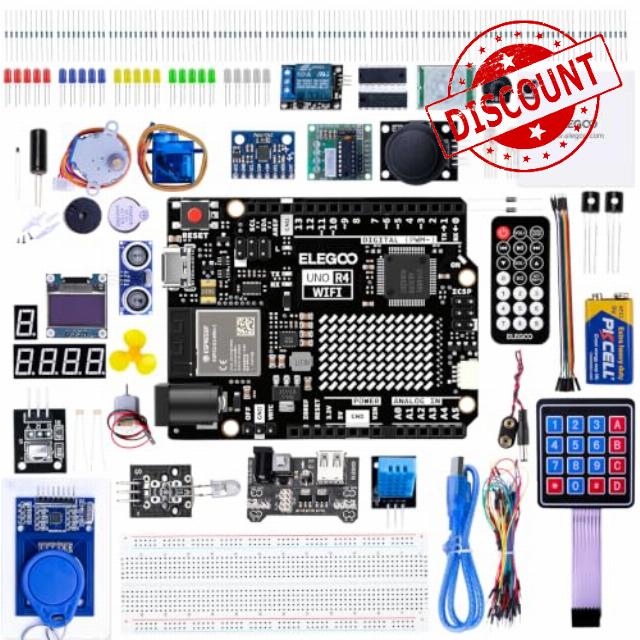
ELEGOO UNO R4 WiFi Super Starter Kit Compatible with Arduino for Beginners 48MHz Processor, 200+ Premium Components, STEM, Electronics Coding Kit, Online Tutorials, Students & Makers Friendly
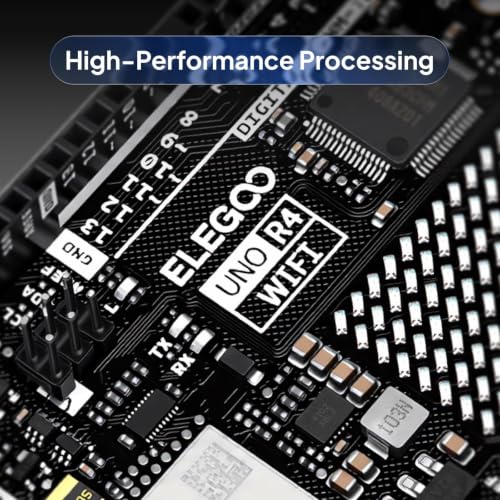
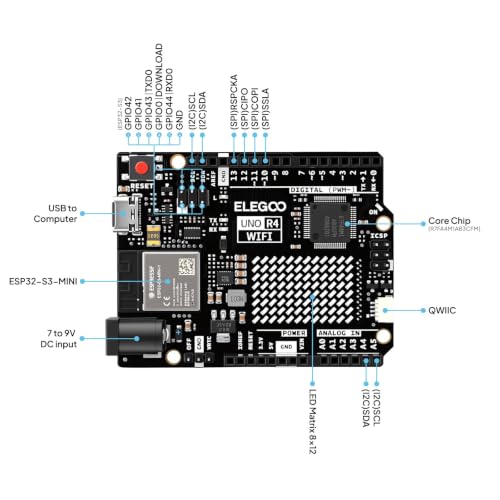
- ELEGOO UNO R4 WiFi Control Board: Fully compatible with Arduino IDE and original Arduino shields. Features a 32-bit 48 MHz Renesas RA4M1 processor, USB-C, an 12 × 8 LED matrix, a Qwiic connector, built-in Wi-Fi and Bluetooth connectivity. Suitable for interactive STEM projects, it gives learners more room to progress from basic circuits to connected IoT projects
- Step-by-Step Tutorials for Beginners: Start with clear wiring diagrams and ready-to-run sample code, then advance through sensors, displays, motors, RFID, and wireless projects. Structured lessons reduce setup confusion and help beginners understand both how each circuit works and how to modify it
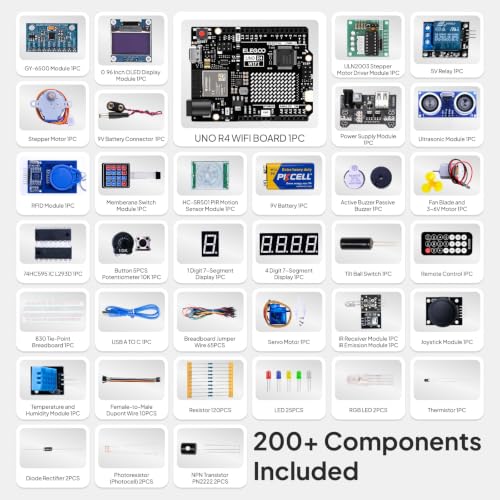
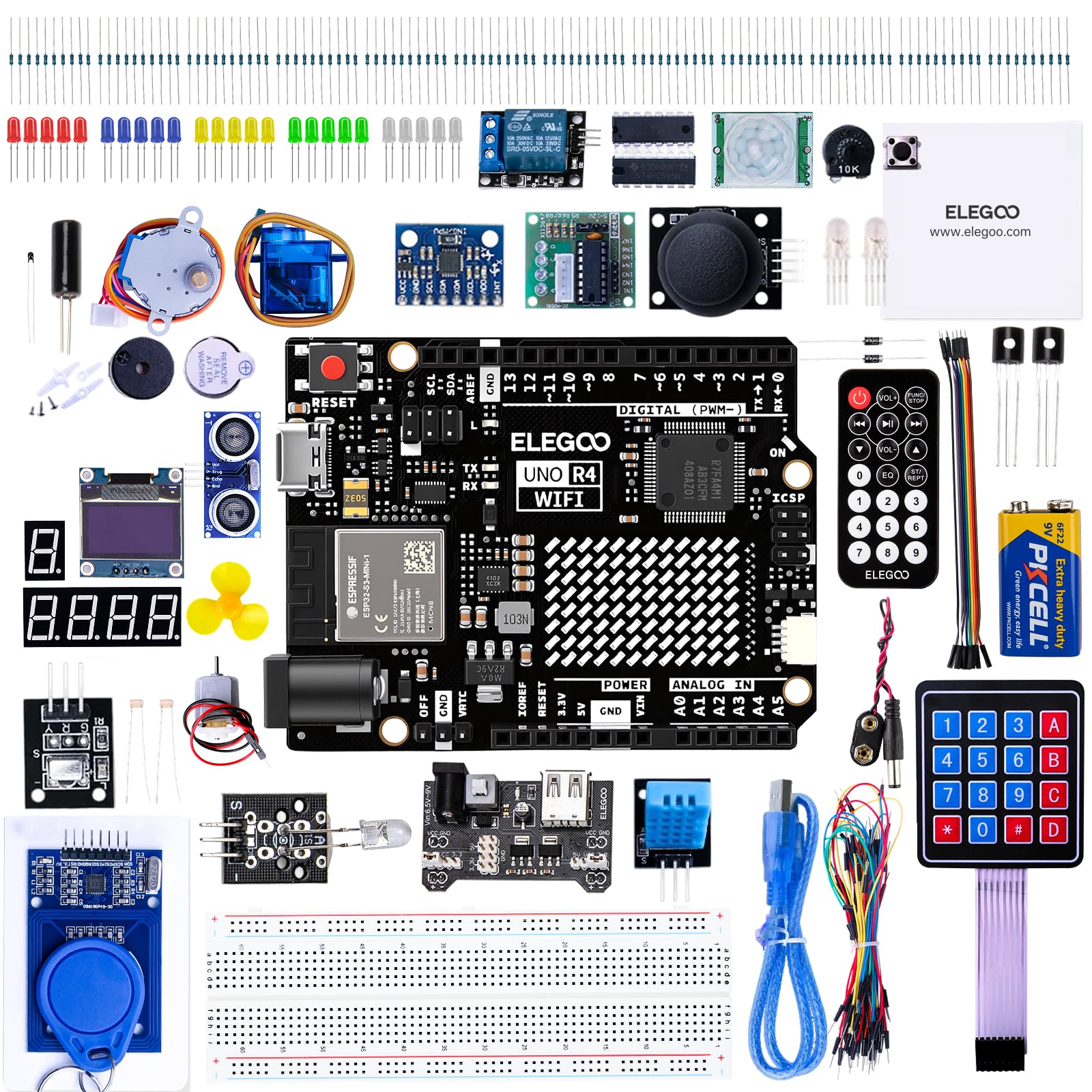
- 200+ Components with Practical Modules: Ultrasonic sensor, PIR motion sensor, RFID module, OLED display, keypad, joystick, relay, servo, stepper motor, DC motor and fan blade, temperature and humidity sensor, breadboard, jumper wires, LEDs, resistors, and more. Also compatible with your existing UNO R3 shields and projects
- Build Projects You Can Recognize: Equipped with professional online tutorials and step-by-step graphical manuals. Suitable for teens, beginners, hobbyists, educators, engineering students and electronics enthusiasts. The included parts support a progressive path from first coding exercises to maker prototypes without purchasing every module separately
- Organized Parts and Reliable Support: Each kit includes clearly listed components and beginner-friendly project resources to help users identify parts and start faster. ELEGOO provides responsive technical support for setup, programming, wiring and troubleshooting, ensuring you have a smooth learning experience
From the brand
ELEGOO STEM kits provide all the necessary components, sensors, wires, and boards for you to get started with programming, learning electronics, and creating IoT projects.
We strive our best to make STEM education easy to learn and accessible to the young generation.
-
Starter Kits
-
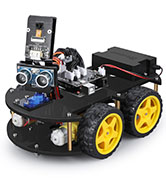
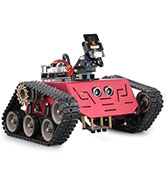
DIY Robotic Car Kits
-
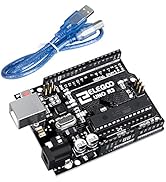
Controller Boards
-
Sensors & Components
How did we get our start?
Chris, the founder of ELEGOO, noticed that most STEM companies focused only on open-source hardware. Few offered tools that combined electronics with structural shells to create complete products.
What makes our products unique?
We have an excellent R&D team that constantly upgrades and improves our products, plus an after-sales team for quick support.
What problem are we solving?
Fully compatible with the Arduino IDE, ELEGOO's kits give beginners a hands-on way to learn electronics.

| SKU: | B0GV391HB3 |
| Size: | 0.03 MB |
| Brand: | ELEGOO |
| Model: | EL-KIT-0025 |
| Colour: | ELEGOO UNO R4 WiFi Super Starter Kit |
| Manufacture: | ELEGOO |
| Colour: | ELEGOO UNO R4 WiFi Super Starter Kit |
| Size: | 0.03 MB |
From the brand

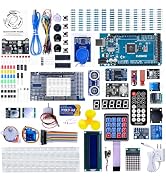
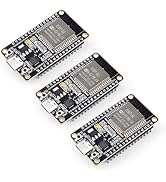
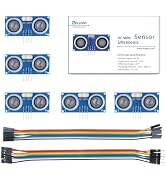
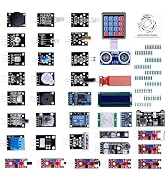
The extras are worth the price… so right off the bat this can’t be a bad buy if you value this by parts. Normal things like brushed and brushless motors, a range finder, PRI, buttons and leds are all here, but real outliers are too: a joystick, an onboard led matrix, LCD, keypad, and a remote are some of the less common components in kits like this. These are all 5V compatible parts, so these can be used across other Arduino projects.
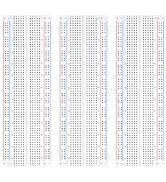
With the included solderless breadboard, projects with surprisingly complex functionality can quickly be assembled quickly, but porting those off this development platform is another story. Unlike most Arduinos, this is flush with connectivity – usb-C, Wifi, and BT. How this manages those connections is with an Esspressif ESP-32 mini as a coprocessor. That chip is often configured as a development kit on its own, but won’t be compatible with some legacy Arduino based hardware.
This uses an ARM cortex as the primary logic unit, which gives 5V GPIOs and Arduino UNO compatibility. While that opens up a vast arena of 5V electronics, some newer 3.3V sensors won’t work without a level shifter. You can’t tap the 3.3 GPIOs on the esp 32 itself, making this architecture a bit like wiring a landline up to a cell phone to make a call.
That said, there will be portability issues. As a development platform, this isn’t sized right for embedded use, so the next logical step from designing the circuit is building it. Here’s where that might be an issue – the included cortex M4 is far faster and has far more ram and flash than an ATMega, meaning moving your project to a more common or compact 5V Arduino platform might have timing or performance issues that weren’t caught in the development cycle. Likely more of an issue – projects that actually use the onboard connectivity will need a hardware and firmware method for emulating that connectivity once moved to a simplified platform.
If the purpose of this kit is to learn, build, test, and ultimately disassemble, ie if the product is learning and not physical items, this is an excellent kit, especially for the price. If, however, the intended product of your efforts is a completed circuit for embedded use, relying on the bells and whistles of this platform may be easier to develop, but potentially more complicated to reproduce if the end result is an ATmega – based or ESP-32 based.
For prototyping proofs of concepts, this will shine. Projects may have to be altered or redesigned if moving to a more reproducible platform later.
As a Stem kit, this has a lot of value. This will allow many projects to be built and showcased, can easily be connected to and programmed, and the onboard visual feedback can be stunning.
I got the ELEGOO UNO R4 WiFi Super Starter Kit, and I can confidently say I started this journey as “curious beginner” and ended it as “person who now refers to resistors with mild confidence and questionable authority.”
The box opens like a surprise engineering curriculum. There are 200+ components, which is a nice way of saying: “Good luck identifying what your new personality is made of.” At one point I wasn’t building circuits—I was just forming relationships with tiny electronic parts and hoping they would cooperate.
The UNO R4 WiFi board is deceptively polite. It sits there looking innocent, meanwhile it has the power to turn your weekend into a full-time debugging lifestyle. One moment you’re blinking an LED, the next you’re contemplating the meaning of void loop() at 2 AM.
The tutorials are actually helpful, which is dangerous, because they give you just enough success to believe you’re “getting it.” That’s when it hooks you. Suddenly you’re saying things like “I think it’s a grounding issue” with absolutely no evidence or credentials.
By day two, I had wires everywhere, a breadboard that looked like modern art, and a deep emotional attachment to a blinking light I designed myself.
Pros:
– Huge variety of components = endless experiments
– Great for beginners (and for creating confident beginners who are slightly overconfident)
– WiFi + Arduino compatibility = modern learning experience
– Tutorials actually guide you without judgment
– Perfect STEM kit for learning by accidental obsession
Cons:
– You will lose track of time and possibly weekends
– Desk space will permanently become “electronics lab”
– You will start explaining circuits to people who did not ask
Bottom Line:
Five stars—this kit doesn’t just teach electronics, it slowly turns you into someone who thinks they could probably build something useful if given “just one more evening.”
Back in the day there used to be a store called Radio Shack.
They had these kits called 65 in 1, 120 in 1 and P boxes.
The P boxes were little red perf board project boxes that taught you to build cool little electronic projects.
The 65 in 1 and 120 in 1’s we’re boards full of electronic components with springs next to them.
They came with jumper wires and you could make all kinds of circuits.
They were extremely educational and very fun.
Enter modern day and this kit.
Now you no longer make the circuits but, you apply pre built circuits modularly.
You download the code editor/ programmer for this and the only limitation of what you can build is restricted by your imagination.
This not only teaches basic electronics but, also coding.
This is an incredible tool and an incredible stepping stone towards building whatever you can imagine.
There is so much information and documentation out there on this with so many brilliant ideas.
It’s quite useful and I really like it.
So, step away from that video game, put that phone down, promote yourself and your brain to a higher level.
It may all seem overwhelming at first but, within a day you will be extremely happy with the result.
After that, the sky is the limit as to what you can create.
IMO that makes this thing an excellent value.
This is one of the best starter kits I’ve used for learning electronics and programming. The quality of the components is excellent, and everything is neatly organized, making it easy to get started right away.
The UNO R4 WiFi board is a great upgrade with its faster 48MHz processor and built-in WiFi, allowing you to explore both traditional Arduino projects and IoT applications without purchasing additional hardware. The kit includes a generous variety of sensors, modules, LEDs, motors, and other components, so there are plenty of projects to build while learning.
The online tutorials are well-structured and beginner-friendly, guiding you step by step from simple circuits to more advanced projects. Even if you’ve never worked with electronics before, the instructions make the learning process enjoyable and approachable.
Whether you’re a student, hobbyist, parent looking for a STEM learning kit, or an experienced maker wanting a solid Arduino-compatible starter package, this kit delivers outstanding value. It offers hours of hands-on learning and experimentation at a very reasonable price.
Highly recommended for anyone interested in electronics, coding, robotics, or IoT projects.