Automotive Common Rail Diesel High Pressure(2000Bar) Tester
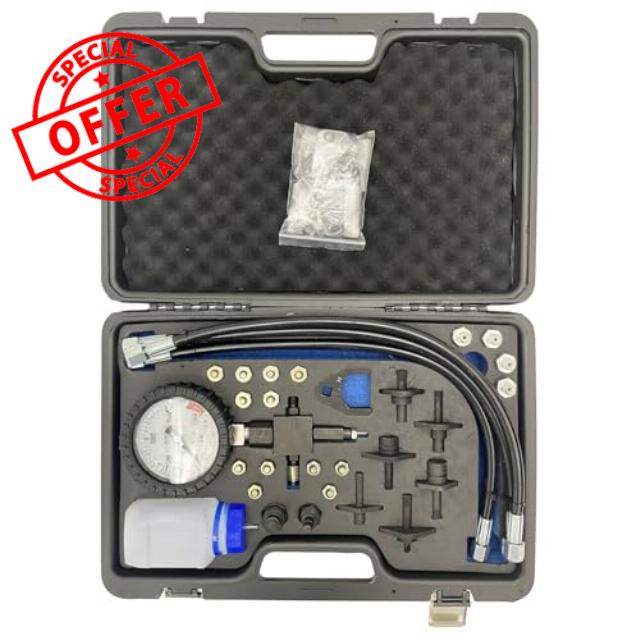
Automotive Common Rail Diesel High Pressure(2000Bar) Tester Kit and Injector Pipe Blanks Automotive Diesel Common Rail Pressure Detection Tool for Different Testing
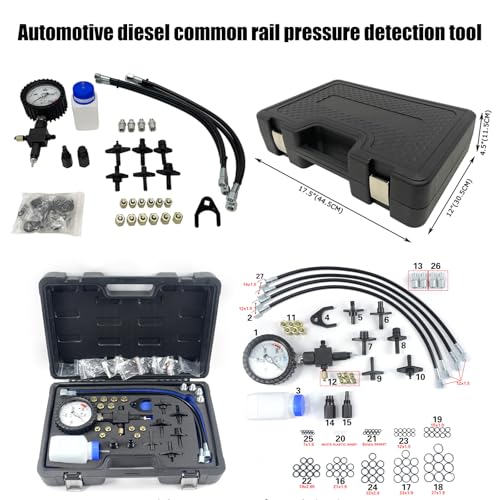
- Materials: The common rail diesel high-pressure tester kit is made of high-quality materials and has a long service life.
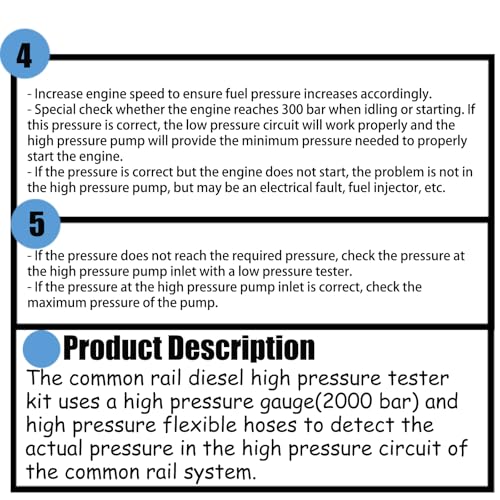
- Accurate measurement: The equipment uses high-pressure pressure gauges and high-pressure flexible hoses to detect the actual pressure in the high-pressure circuit of the common rail system. The measurement results are accurate and the operation is convenient.
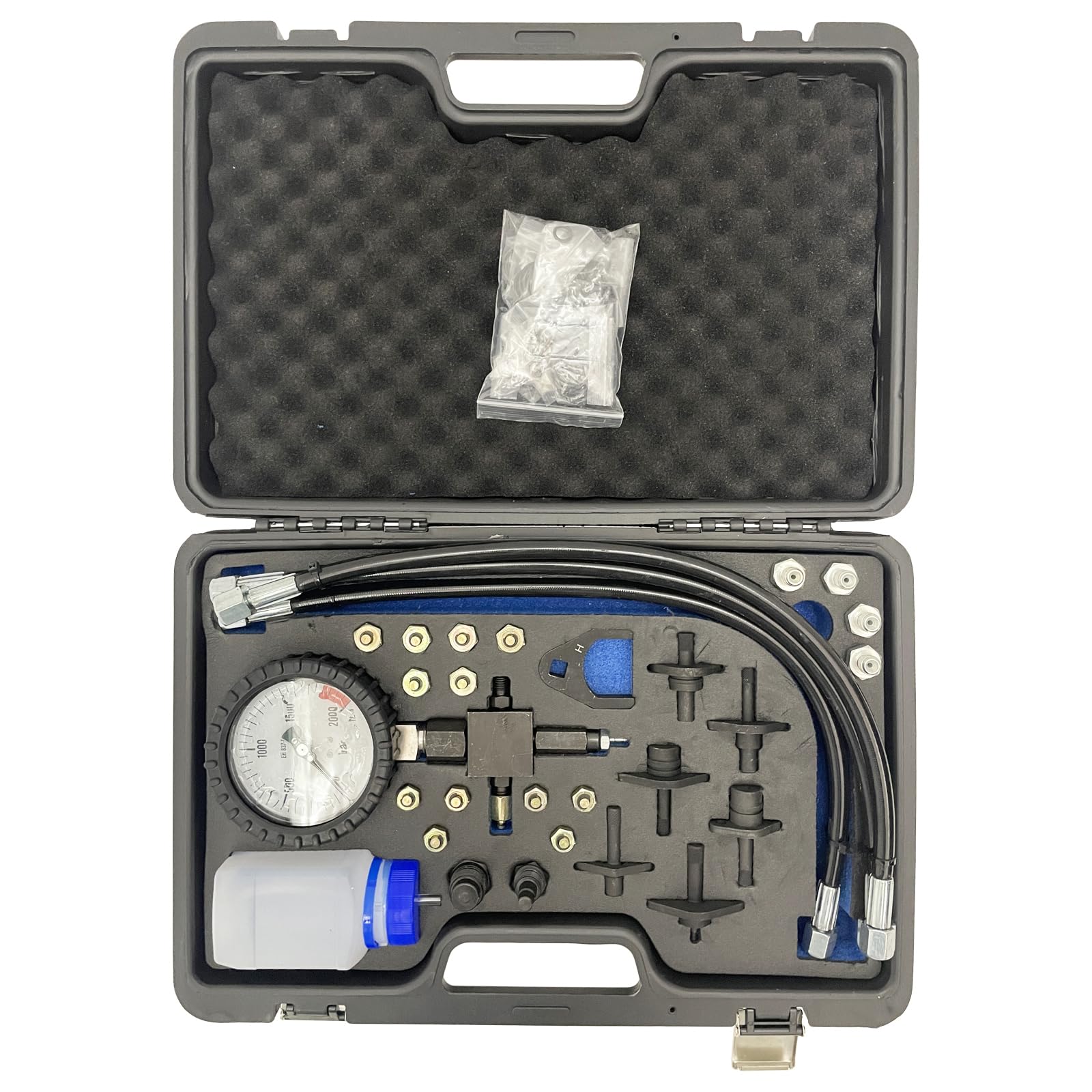
- Packaging Box: The tester is equipped with a plastic packaging box, which is small in size and light in weight. It can be moved to the required location at any time. When not in use, the device can be placed in the plastic box to prevent dust and pressure.
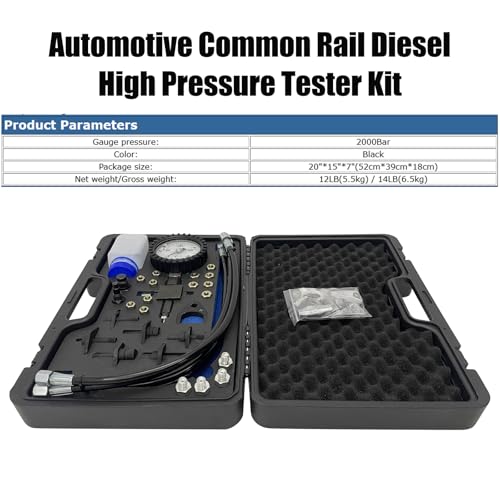
- Technical parameters: Gauge pressure is 2000Bar; package size is 20"*15"*7"(52cm*39cm*18cm); The Net weight/Gross weight is 12LB(5.5kg) / 14LB(6.5kg).
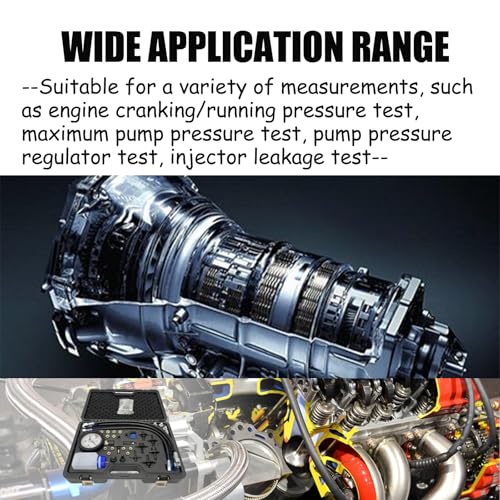
- Wide range of applications: It is suitable for various measurements, such as engine start/run pressure tests, maximum pump pressure tests, pump pressure regulator tests, and fuel injector leakage tests.
The tester is equipped with a plastic packaging box, which is small in size and light in weight. It can be moved to the required location at any time. When not in use, the device can be placed in the plastic box to prevent dust and pressure.
Gauge pressure:2000Bar;
package size:20"*15"*7"(52cm*39cm*18cm);
Net weight/Gross weight:12LB(5.5kg) / 14LB(6.5kg).
Engine cranking/running pressure test
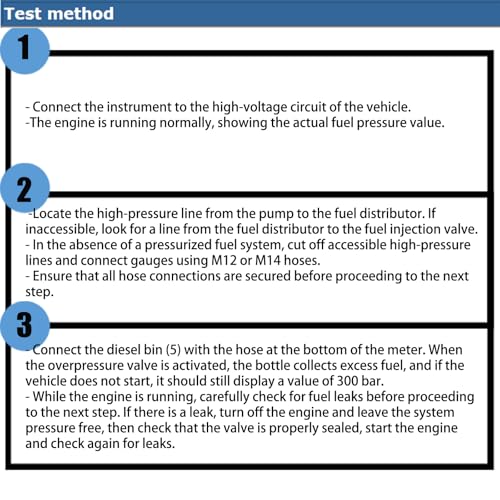
Step 1- Connect the instrument to the high-voltage circuit of the vehicle.The engine is running normally, showing the actual fuel pressure value.
Step 2- Locate the high-pressure line from the pump to the fuel distributor. If inaccessible, look for a line from the fuel distributor to the fuel injection valve.
– In the absence of a pressurized fuel system, cut off accessible high-pressure lines and connect gauges using M12 or M14 hoses.
– Ensure that all hose connections are secured before proceeding to the next step.
Step 3 – Connect the diesel bin (5) with the hose at the bottom of the meter. When the overpressure valve is activated, the bottle collects excess fuel, and if the vehicle does not start, it should still display a value of 300 bar.
– While the engine is running, carefully check for fuel leaks before proceeding to the next step. If there is a leak, turn off the engine and leave the system pressure free, then check that the valve is properly sealed, start the engine and check again for leaks.
Step 4 – Increase engine speed to ensure fuel pressure increases accordingly. – Special check whether the engine reaches 300 bar when idling or starting. If this pressure is correct, the low pressure circuit will work properly and the high pressure pump will provide the minimum pressure needed to properly start the engine.
– If the pressure is correct but the engine does not start, the problem is not in the high pressure pump, but may be an electrical fault, fuel injector, etc.
Step 5 – If the pressure does not reach the required pressure, check the pressure at the high pressure pump inlet with a low pressure tester.
– If the pressure at the high pressure pump inlet is correct, check the maximum pressure of the pump.
| SKU: | B0F9YHW5LN |
| Weight: | 14.44 pounds |
| Dimensions: | 20.47 x 15.35 x 7.09 inches |
| Brand: | PreAsion |
| Manufacture: | PreAsion |
Product Description
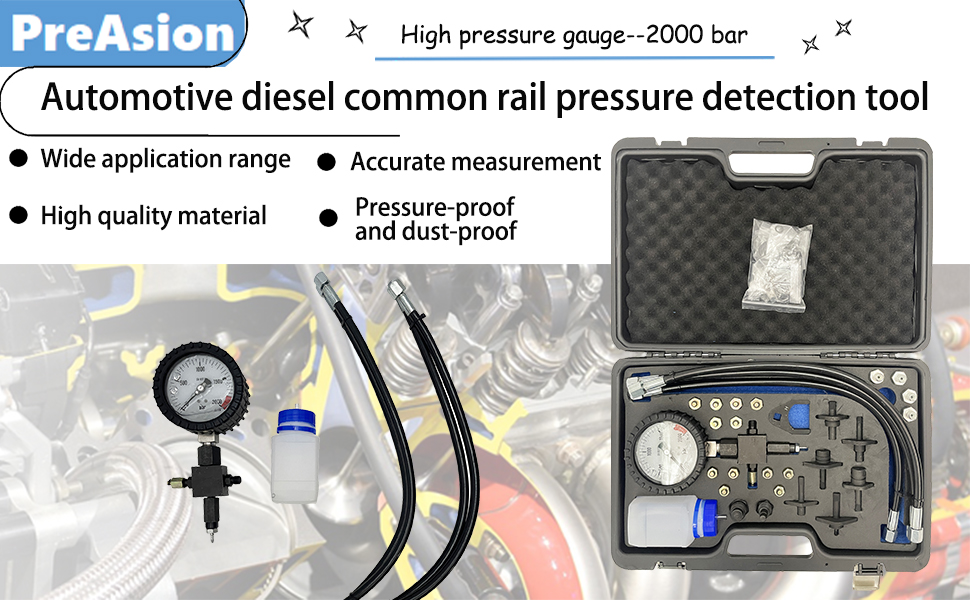
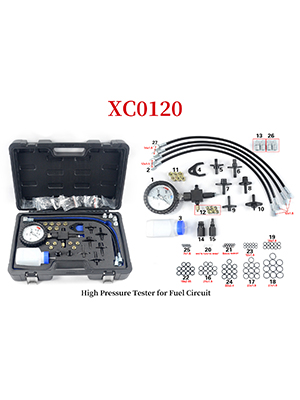
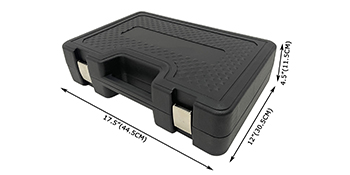
The tester is equipped with a plastic packaging box, which is small in size and light in weight. It can be moved to the required location at any time. When not in use, the device can be placed in the plastic box to prevent dust and pressure.
Gauge pressure:2000Bar;
package size:20″*15″*7″(52cm*39cm*18cm);
Net weight/Gross weight:12LB(5.5kg) / 14LB(6.5kg).
Engine cranking/running pressure test
Step 1- Connect the instrument to the high-voltage circuit of the vehicle.The engine is running normally, showing the actual fuel pressure value.
Step 2- Locate the high-pressure line from the pump to the fuel distributor. If inaccessible, look for a line from the fuel distributor to the fuel injection valve.
– In the absence of a pressurized fuel system, cut off accessible high-pressure lines and connect gauges using M12 or M14 hoses.
– Ensure that all hose connections are secured before proceeding to the next step.
Step 3 – Connect the diesel bin (5) with the hose at the bottom of the meter. When the overpressure valve is activated, the bottle collects excess fuel, and if the vehicle does not start, it should still display a value of 300 bar.
– While the engine is running, carefully check for fuel leaks before proceeding to the next step. If there is a leak, turn off the engine and leave the system pressure free, then check that the valve is properly sealed, start the engine and check again for leaks.
Step 4 – Increase engine speed to ensure fuel pressure increases accordingly. – Special check whether the engine reaches 300 bar when idling or starting. If this pressure is correct, the low pressure circuit will work properly and the high pressure pump will provide the minimum pressure needed to properly start the engine.
– If the pressure is correct but the engine does not start, the problem is not in the high pressure pump, but may be an electrical fault, fuel injector, etc.
Step 5 – If the pressure does not reach the required pressure, check the pressure at the high pressure pump inlet with a low pressure tester.
– If the pressure at the high pressure pump inlet is correct, check the maximum pressure of the pump.